February 1, 2017
Posted By admin
As a frequent traveler with transportation requirements, a semi driver is no stranger to the laws and regulations designed to keep cargo, drivers, and the public safe. The Federal Motor Carrier Safety Administration has many guidelines for cargo securement, equipment condition, and safe transport practices.
Today, ILoca Services is shining a light on some of the most important cargo securement requirements to help increase awareness and keep loads moving safely.
FMCSA Cargo Securement Regulations:
- Cargo securement systems must be capable of withstanding the following forces, applied separately:
- 0.8g deceleration in the forward direction
- 0.5g acceleration in the rearward direction
- 0.5g acceleration in a lateral direction
This means your load must remain secure during hard braking, sudden acceleration, lane changes, and sharp turns.
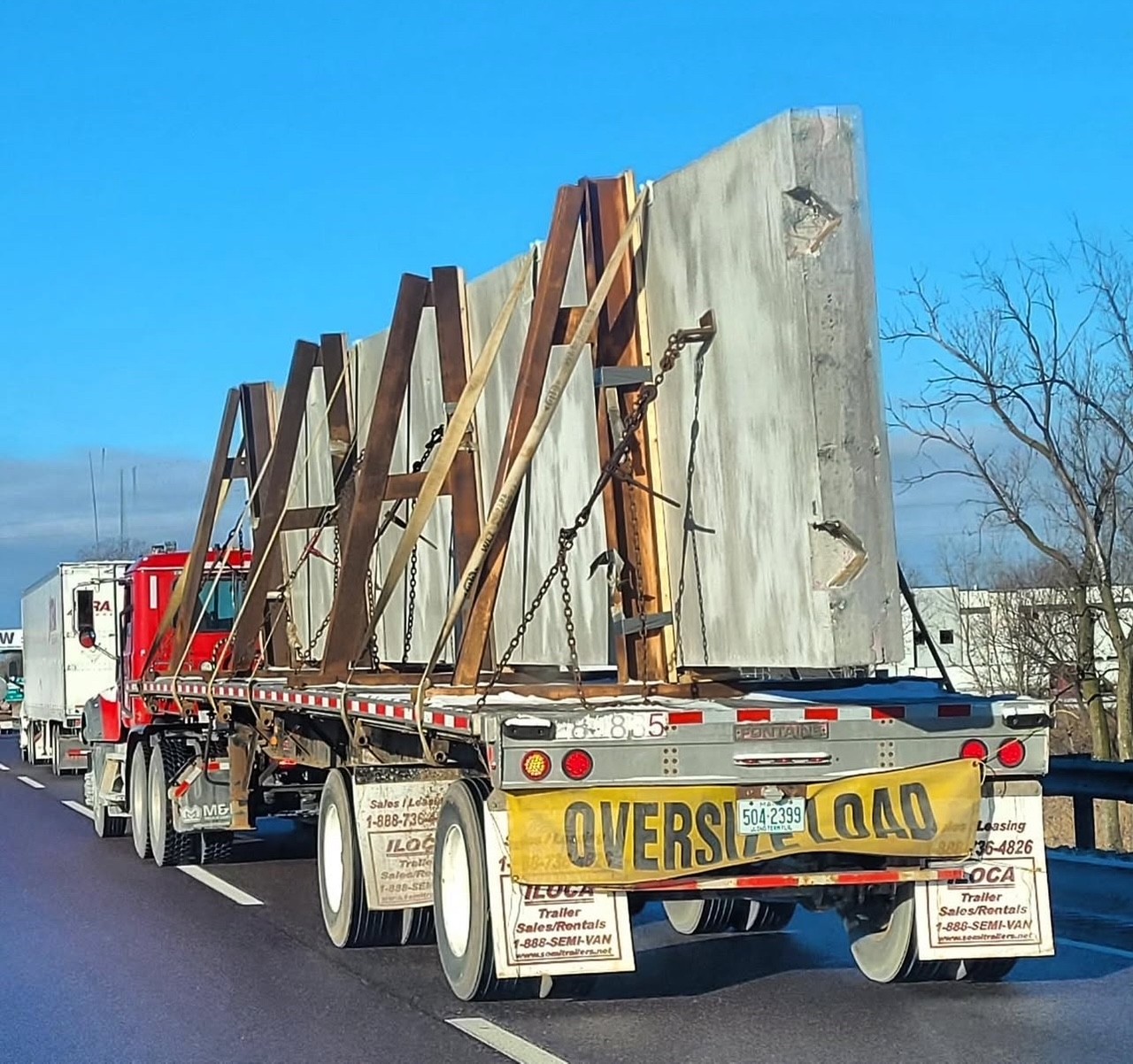
- All vehicle structures, systems, parts, and components used to secure cargo must be in proper working order. Damaged, weakened, worn, or defective components cannot be used if they could negatively affect securement performance.
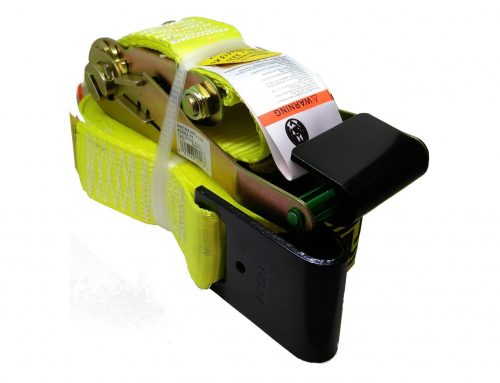
- Each tiedown must be attached and secured in a way that prevents it from becoming loose, unfastened, open, or released while the vehicle is in transit. Tie-downs and other cargo securement components should be located inside the rub rails whenever possible. Edge protection must also be used whenever a tiedown could be cut, crushed, or damaged where it touches the cargo.
- Front-end structures or headerboards are only required when cargo is in contact with the front of the trailer or vehicle. If used, the structure must extend high enough and wide enough to block the forward movement of the cargo.
- The minimum number of tiedowns required depends on the size and weight of the cargo:
- One tiedown for articles 5 feet or less in length and 1,100 pounds or less in weight
- Two tiedowns for articles:
- 5 feet or less in length and more than 1,100 pounds in weight
- Greater than 5 feet but less than 10 feet in length, regardless of weight
Heavier equipment and machinery may require additional tiedowns depending on the cargo type and weight.
- The aggregate working load limit (WLL) of any securement system must equal at least one-half of the weight of the article or group of articles being secured. Keep in mind that the WLL of a tiedown is only as strong as its weakest component, including chains, straps, binders, and anchor points.
- Drivers are required to inspect cargo securement within the first 50 miles of a trip and again whenever there is a change in duty status, such as fuel stops, rest breaks, or driver changes. If needed, securement devices must be adjusted or tightened.
We Can Satisfy Your Cargo Securement Needs
We hope this overview has helped bring awareness to the importance of proper cargo securement. Whether you need chains, binders, straps, winches, cargo bars, load locks, edge protectors, tarps, or other securement products, ILoca has the parts and equipment you need to stay compliant and safe on the road.
If you need help finding the right cargo securement products, contact ILoca Services or visit our online parts store.
Your Partner For The Long Haul®
Sources:
https://www.fmcsa.dot.gov/regulations/cargo-securement/cargo-securement-rules