May 1, 2026
Posted By Angie
If you’re buying structural semitrailer parts—not just wear items, but components that impact safety, compliance, and uptime—your sourcing strategy matters more than ever. Here’s a guide for fleets, owner-operators, and shops.
- Prioritize OEM or Verified Equivalent
Structural parts like kingpins, crossmembers, landing gear components, and frame hardware should match OEM specs. If you go aftermarket, verify certifications and load ratings—don’t gamble on unknown steel.
- Know Your Application (Not Just the Part #)
A lowboy, flatbed, and dry van may use similar parts—but load distribution, stress, and mounting differ. Always source based on application:
- Heavy Haul (lowboy, double drop)
- Platform (flatbed/step deck)
- Van/Reefer
- Confirm Material Specs
Ask what it’s made of:
- High-strength steel vs. standard steel
- Galvanized vs. painted
- Heat-treated vs. untreated
Corrosion resistance and fatigue life are everything in Midwest conditions.
- Verify Fitment Against VIN or Build Specs
Don’t rely on “universal fit.” Confirm:
- Bolt patterns
- Mounting points
- Dimensions and tolerances
One mismatch = install delays and safety risks.
- Demand Traceability
In 2026, you should expect:
- Batch/lot traceability
- Manufacturer documentation
- Warranty backing
If a supplier can’t provide it, move on.
- Balance Cost vs. Downtime
Cheap parts cost more when:
- They fail early
- They delay installs
- They increase shop labor
Calculate total cost of ownership, not just invoice price.
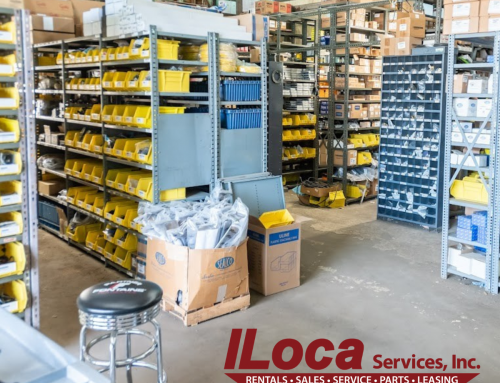
- Source From Stocking Dealers Like ILoca
Lead times kill uptime. Work with suppliers who:
- Stock inventory locally
- Offer same-day shipping or pickup
- Understand trailer applications
“Available now” beats “available in 3 weeks.”
- Check Compliance Requirements
Structural components may tie into:
- DOT inspections
- FMCSA/FHWA safety standards
- Load securement requirements
Non-compliant parts can sideline equipment.
- Standardize Across Your Fleet
Reduce complexity by:
- Using consistent brands/models
- Keeping interchangeable parts in inventory
- Training techs on fewer variations
This speeds up repairs and reduces errors.
- Partner With ILoca a Full-Service Supplier
The best sourcing strategy isn’t transactional—it’s relational. Look for partners who offer:
- Parts + service + install
- Technical support
- Cross-referencing help
- Inventory recommendations
That’s how you stay ahead in a tight market.
Bottom Line
In 2026, sourcing structural trailer parts isn’t about finding the cheapest option—it’s about reducing risk, maximizing uptime, and protecting your equipment investment.
Your Partner For The Long Haul®